

-
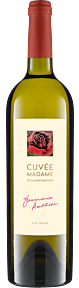
Cuvée Madame Rosmarie Mathier blanc
AOC Valais
37.5cl
• 75cl
• 150cl
Starting at CHF 14.80 -
Ville de Sierre Terre Promise
AOC Valais
37.5cl
• 75cl
• 150cl
Starting at CHF 9.00 -
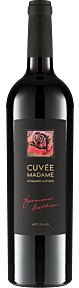
Cuvée Madame Rosmarie Mathier rouge
AOC Valais
37.5cl
• 75cl
• 150cl
• 300cl
Starting at CHF 14.80 -
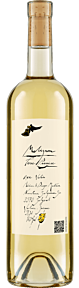
Molignon Terre Promise
AOC Valais
37.5cl
• 75cl
• 150cl
Starting at CHF 9.00 -
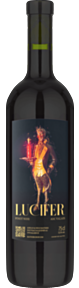
Pinot Noir Lucifer
AOC Valais
37.5cl
• 75cl
• 150cl
• 300cl
Starting at CHF 9.80 -
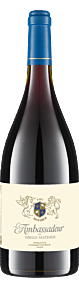
L’Ambassadeur de Diego Mathier rouge
AOC Valais
75cl
• 150cl
• 300cl
Starting at CHF 45.00 -
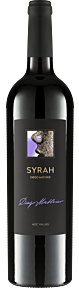
Syrah Diego Mathier
AOC Valais
75cl
• 150cl
• 300cl
Starting at CHF 34.00 -
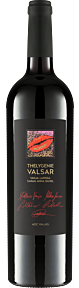
Thelygenie VALSAR rouge
AOC Valais
75cl
• 150cl
Starting at CHF 28.00 -
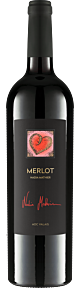
Merlot Nadia Mathier
AOC Valais
75cl
• 150cl
• 300cl
Starting at CHF 34.00 -
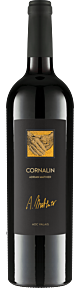
Cornalin Adrian Mathier
AOC Valais
75cl
• 150cl
Starting at CHF 36.00 -
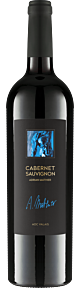
Cabernet Sauvignon Adrian Mathier
AOC Valais
75cl
• 150cl
Starting at CHF 36.00
Large wine bottles
Large wine bottles hold a special place in the world of wine. They combine tradition, craftsmanship and impressive presence, and represent a moment of enjoyment that goes far beyond that of a standard bottle. In Valais in particular, where the Diego Mathier winery has been producing top-quality wines for years, large bottles play an important role for wine lovers, collectors and connoisseurs who want to offer their guests something special.
Anyone who opens a magnum or a jeroboam immediately senses that such formats create an atmosphere that is equally impressive at festive occasions, in sophisticated restaurants or in private circles. The combination of technical perfection and emotional impact is one of the reasons why large wine bottles are steadily gaining in popularity.
Bottle sizes and the diversity of the modern wine world
The overview of bottle sizes shows just how extensive the list actually is. The standard 75cl bottle forms the basis, but there are many other sizes, ranging from small companions to impressive large formats. These include small bottles, the 150cl magnum bottle, the double magnum (or jeroboam), the impériale, the methuselah and rarer sizes such as the balthazar, the melchior and the nebuchadnezzar.
The 3-litre Jeroboam is one of the best-known large formats and is often found in the range of high-quality winemakers. The bottle neck, the cork, the sturdy glass and the larger content have a special influence on the ageing process. Less oxygen enters the wine, which makes its development more pleasant, harmonious and stable in the long term.
Diego Mathier's range includes no fewer than 11 special bottlings in magnum or Jeroboam formats, including excellent single-varietal white and red wines and a masterful white Valais cuvée. Such wines benefit greatly from the size of the bottle, as the aromas come together in a more complex way.
Large wine bottles in the context of enjoyment
Large bottles are among the formats that allow enjoyment on several levels. The large wine bottle not only stands for quality, but also for a shared experience. Pouring wine creates a moment that symbolises generosity and hospitality. Many wine lovers deliberately choose this bottle for special occasions, such as celebrations, family gatherings or elegant evenings for two.
A significant advantage is the slower development of the wine. The reduced oxygen content in relation to the contents leads to a more even maturation process. Red wine gains additional depth, while white wines retain their stability and freshness. This effect explains why large formats are prized among collectors and regularly end up in shopping baskets when long-term storage is desired.
Naming and significance of the different formats
The naming of large wine bottles is a special feature of the wine world. Many names can be traced back to historical or biblical figures. For example, Methuselah stands for 6 litres, Salmanazar for 9 litres, Balthazar for 12 litres and Melchior for 18 litres. These names not only give the bottles character, but also create a cultural foundation that has always fascinated wine lovers.
These names play an important role in the world of high-quality wines, whether from Bordeaux, Burgundy, Barolo, Champagne or Italy. In Switzerland, too, especially among specialist winemakers such as Diego Mathier, the tradition is preserved, combining modern winemaking with historical depth.
The special feature of the 3-litre bottle in modern wine understanding
The Jeroboam, or 3-litre bottle, is one of the most expressive large formats. It has enough volume to positively influence aroma and structure, but remains easy to handle in practical use. On festive occasions, it looks impressive without appearing overly powerful.
Its size makes it ideal for high-quality red wines and elegant white wines, such as those produced by the Diego Mathier winery. This is precisely why many customers choose this format when looking for a gift with an outstanding price/performance ratio that will make an impression, or when a wine is intended for long-term storage.
Frequently asked questions (FAQ) about large wine bottles
What are large wine bottles called?
Large wine bottles have traditional names such as magnum, jeroboam, double magnum, imperial, methuselah, salmanazar, balthazar and melchior.
What is the name of an 18-litre wine bottle?
The 18-litre wine bottle is called a Melchior and is one of the most impressive large formats in the world of wine.
What are large wine bottles called?
In the world of wine, large wine bottles are given historical names depending on their contents, such as magnum, jeroboam or nebuchadnezzar.
What is a 5-litre wine bottle called?
In many regions, a 5-litre bottle is called a jeroboam or, alternatively, a large format for Bordeaux.
Why do people like to serve wine in large bottles?
Large wine bottles look particularly festive, allow for a more harmonious ageing process and create an impressive moment when served, making shared moments of enjoyment even more intense. They are therefore ideal for occasions where quality and presentation are equally important.