


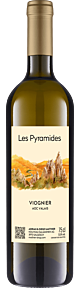
Semi-dry wine – a balance of residual sweetness, acidity and modern wine philosophy
The significance of semi-dry wine in today's wine world
Semi-dry wine has become a fixture in the international wine landscape over the past few decades. This flavour profile combines the freshness of a clear acidity profile with moderate residual sweetness, creating a harmonious drinking experience that appeals to many wine lovers. The flavour description “semi-dry” now serves as an important guide in the range of many wineries, as it describes a style that is neither austere nor sweet, but creates a finely tuned balance. Many wineries are specifically expanding their selection of semi-dry wines to meet the diverse needs and preferences of their customers.
In contrast to a dry wine, where the acidity often stands out more clearly, a semi-dry wine has a softer mouthfeel without losing any of its structure. This combination makes it suitable for a wide range of uses, whether as an aperitif, an accompaniment to food or an uncomplicated everyday wine. The wide selection of semi-dry wines offers the right option for different tastes and occasions. The moderate residual sugar content creates a pleasant fullness and at the same time balances the acidity, resulting in a rounded flavour profile.
Semi-dry wines have become a popular style because they meet a variety of needs at the same time. They combine aromatic diversity, freshness and elegance, which is why they are common in white wines, rosé wines and occasionally in light-bodied red wines. The demand for a taste that is somewhere between dry and sweet is high worldwide, and modern winemakers are taking advantage of this trend to develop innovative products that fit harmoniously into their ranges.
Historical development and introduction of the semi-dry flavour
The clear classification of flavours is relatively recent. It was only with the standardisation of wine analysis and the precise measurement of sugar and total acidity that it became possible to define categories such as semi-dry in regulatory terms. In addition, must weight is used as a measure of the ripeness and sugar content of the grapes to classify wines according to their quality and sweetness. Earlier wines were often produced intuitively, which meant that the natural residual sweetness varied depending on the vintage.
This changed fundamentally with the refinement of cellar technology. Winemakers could now decide whether a must should ferment completely or whether the fermentation process should be stopped at a certain point in order to preserve residual sugar. The residual sweetness in the wine can thus be specifically controlled by interrupting fermentation. This made the semi-dry style systematically plannable and clearly recognisable to consumers.
This development ensured that semi-dry wine found its place worldwide. In many regions, it became a traditional accompaniment to regional cuisine, as its delicate residual sweetness harmonised well with strong spices, mild heat or creamy textures. Today, semi-dry is an integral part of the flavour descriptions in numerous countries of origin and forms an important category in the wine market.
Chemical and sensory basics of semi-dry wine
Residual sugar content and sensory effect
Residual sugar content is the central element in semi-dry wines. It describes how much sugar remains in the wine after fermentation. For semi-dry wine, this value is typically between 9 and 18 grams per litre, depending on the acidity structure. A higher acidity tends to allow for slightly more residual sugar without the wine tasting sweet. This interplay between sugar and acidity determines how balanced a wine tastes and which fruit aromas come to the fore.
An example: a semi-dry Riesling with 16 g/l residual sugar and pronounced acidity does not taste too sweet on the palate, but rather harmonious and fresh. The acidity balances the sugar, emphasising the fruitiness without making the wine seem cloying.
Residual sugar influences the fruitiness and body of the wine. The alcohol content also affects perception, as alcohol enhances both the aroma and the fullness on the palate. The result is a complex interplay of sweetness, freshness, fruit and structure that characterises the semi-dry style.
Acidity, total acidity and balance
Acidity is the natural counterpart to sugar. It provides freshness and vigour and prevents the wine from appearing broad or heavy. Semi-dry wine thrives on the balance between acidity and sugar. Without this balance, the wine becomes either too flat or too sharp.
A balanced total acidity helps to keep semi-dry wine clear, lively and structured. Fruity wines in particular benefit from the fact that their aromas are supported by the acidity.
Fermentation and ageing
Fermentation is the process by which the sugar in the grapes is converted into alcohol. If fermentation is stopped early or proceeds more slowly naturally, some of the residual sugar remains in the wine. By choosing the point at which fermentation is interrupted, winemakers determine the final style of the wine.
Ageing also influences the effect of the residual sugar. Stainless steel tanks emphasise the freshness and clarity of a semi-dry wine, while wooden barrels can contribute to more body and complexity. Both types of ageing are common in the semi-dry range.
Grape varieties and their significance for semi-dry wine
Semi-dry wine can be produced from many grape varieties, but they differ significantly in their aromatic characteristics. Riesling is one of the best-known grapes for semi-dry wines. Its natural acidity combines perfectly with the residual sugar to create a fine balance of citrus, stone fruit and floral notes. Müller-Thurgau (called RieslingxSilvaner in Valais) and Bacchus have milder acidity but pronounced fruitiness, making them particularly accessible as semi-dry wines. The choice of grape variety is crucial for the taste, aroma and quality of the wine, as each variety brings its own individual sensory characteristics to the white wine.
Sauvignon Blanc is also suitable for semi-dry varieties, as its fresh herbal and gooseberry aromas blend elegantly with moderate residual sweetness. Rosé wine is also popular in semi-dry form because light red and pink fruit aromas form a natural harmony with residual sweetness. Even Merlot can offer a soft, gentle style as a semi-dry red wine if the tannins are mild and the fruit aromas are prominent.
Wineries use semi-dry cuvées to combine several grape varieties. This allows for an optimal balance of freshness, fruit and body. Such a combination allows for a particularly well-rounded flavour profile, as each grape makes a specific contribution. The Palatinate is considered one of the most important wine regions for semi-dry white wines, which impress with their diversity and quality.
Differences between semi-dry, dry and off-dry
The flavour description “dry” refers to wines with very low residual sugar. They are clear, firm and have a distinct acidity. Semi-dry wine, on the other hand, has a soft contour, moderate residual sweetness and pronounced fruitiness. The category “feinherb” (off-dry) falls between the two styles. It is mainly used in German-speaking regions and is not strictly defined. In practice, many consumers perceive off-dry wines as slightly sweeter than semi-dry wines.
The alcohol content is indicated on the label as a percentage by volume (Vol) and helps to distinguish between the different styles of wine. Filter options in shops also make it possible to search specifically for semi-dry, dry or semi-sweet wines.
These differences in taste make semi-dry wines an ideal category for those who want a harmonious and not too sharp profile.
Semi-dry wines in food pairing: versatile combinations for everyday meals and special occasions
Semi-dry wine is one of the most versatile accompaniments to modern cuisine. Its residual sweetness softens spiciness, its acidity adds freshness, and its fruitiness ensures that it blends effortlessly with a wide variety of dishes. Semi-dry wine goes particularly well with Asian dishes that are sweet and sour or slightly spicy. The combination of spices and semi-dry wine creates an exciting balance.
Semi-dry wine is also ideal for fish dishes such as trout, zander or salmon, as its delicate freshness and moderate sugar content gently frame the flavours. Creamy sauces – such as those served with poultry or pasta – benefit from the interplay of acidity and residual sweetness, as this combination reduces heaviness and lends lightness to the dish.
Cheese also provides an ideal platform. A semi-dry wine goes particularly well with mild soft cheeses, creamy blue cheeses or young hard cheeses. In vegetarian cuisine, this style accompanies aromatic vegetable dishes, curries, Mediterranean casseroles or risottos.
Semi-dry wine is suitable both as an aperitif for celebrations and as an accompaniment to long menus. Its balance makes it a crowd favourite, especially when guests with different taste preferences come together.
Storage and ageing potential
Semi-dry wines should be stored in a cool, dark place and laid down so that the cork does not dry out. Due to their balanced ratio of acidity and residual sweetness, many semi-dry white wines have a surprisingly good ageing potential. Particularly aromatic varieties such as Riesling develop positively over several years, with the residual sweetness providing additional stability. The climate of the growing region plays an important role here: in cooler climates, the grapes ripen more slowly, which promotes the freshness and storability of the wine, while warmer climates can lead to higher alcohol content and faster ripening.
Nevertheless, the focus with semi-dry wines remains on freshness and fruit. Many varieties benefit from being drunk within the first few years to experience their aromatic clarity and delicate sweetness at their best.
Semi-dry wine for special occasions
Semi-dry wine is ideal for occasions where an accessible style is required. Whether birthdays, weddings or company celebrations – its pleasant balance makes it a wine that suits many tastes. Semi-dry sparkling wine in particular is a popular aperitif, as the combination of effervescence, sweetness and acidity combines freshness and elegance.
This versatility ensures that semi-dry wine plays a central role in many ranges and appeals to guests regardless of their level of wine experience.
Technical aspects: alcohol, sugar content and analytical values
Several analytical factors are decisive for the sensory effect of a semi-dry wine. The alcohol content influences the perception of residual sweetness, as a higher alcohol content makes the taste appear fuller. The alcohol content is expressed as a percentage by volume (vol). The sugar content, in turn, influences the residual sweetness and, in combination with the total acidity, determines whether the wine is classified as semi-dry.
The residual sweetness is determined analytically and serves as the basis for categorising the wine according to legal requirements. These factors are subject to international rules, which means that the designation “semi-dry” remains clearly comprehensible.
Frequently asked questions (FAQ) about semi-dry wines
What is a semi-dry wine?
A semi-dry wine contains moderate residual sugar and shows a harmonious balance between freshness, acidity and delicate sweetness.
What does semi-dry wine mean?
The term describes a flavour that is slightly sweeter than dry, but does not cross over into the sweet range.
What is the difference between semi-dry and dry?
Dry wines have less residual sugar and are more angular, while semi-dry wines are softer and more fruity.
Which wine is sweeter, semi-dry or semi-sweet?
In practice, semi-dry is usually perceived as slightly sweeter, although both categories are close to each other.