

-
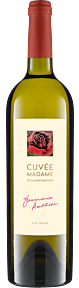
Cuvée Madame Rosmarie Mathier blanc
AOC Valais
37.5cl
• 75cl
• 150cl
Starting at CHF 14.80 -
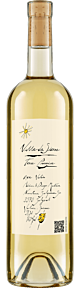
Ville de Sierre Terre Promise
AOC Valais
37.5cl
• 75cl
• 150cl
Starting at CHF 9.00 -
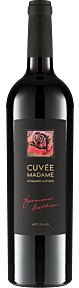
Cuvée Madame Rosmarie Mathier rouge
AOC Valais
37.5cl
• 75cl
• 150cl
• 300cl
Starting at CHF 14.80 -
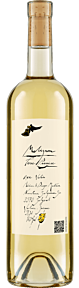
Molignon Terre Promise
AOC Valais
37.5cl
• 75cl
• 150cl
Starting at CHF 9.00 -
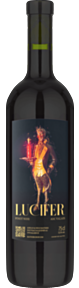
Pinot Noir Lucifer
AOC Valais
37.5cl
• 75cl
• 150cl
• 300cl
Starting at CHF 9.80 -
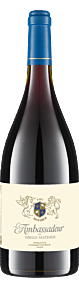
L’Ambassadeur de Diego Mathier rouge
AOC Valais
75cl
• 150cl
• 300cl
Starting at CHF 45.00 -
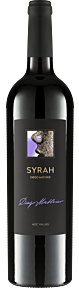
Syrah Diego Mathier
AOC Valais
75cl
• 150cl
• 300cl
Starting at CHF 34.00 -
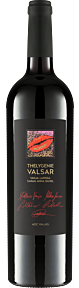
Thelygenie VALSAR rouge
AOC Valais
75cl
• 150cl
Starting at CHF 28.00 -
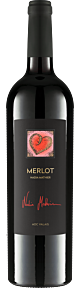
Merlot Nadia Mathier
AOC Valais
75cl
• 150cl
• 300cl
Starting at CHF 34.00 -
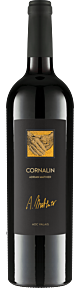
Cornalin Adrian Mathier
AOC Valais
75cl
• 150cl
Starting at CHF 36.00 -
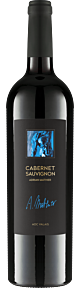
Cabernet Sauvignon Adrian Mathier
AOC Valais
75cl
• 150cl
Starting at CHF 36.00
Magnum bottle – The ideal shape for maturity, structure and enjoyment
The significance of the magnum bottle in viticulture
The magnum bottle has a special status in the world of viticulture that goes far beyond its impressive appearance. With a capacity of 1.5 litres, it is one of the bottle sizes that, from a technical point of view, offers the optimal conditions for maturity and longevity. The combination of larger content and comparatively low oxygen contact creates an environment in which wine matures more slowly, harmoniously and expressively. The origin of the wine plays a particularly decisive role here, as the terroir and geographical origin significantly influence the character and quality of wine in magnum bottles. These characteristics have made the magnum bottle a classic that is valued by both professional cellars and private collectors. Collectors particularly appreciate the advantages of the magnum bottle for optimal maturation and the potential increase in value of their wine collection.
For winemakers, the magnum is not only a representative format, but also a tool for ensuring the long-term quality of their products. The winery and the winemaking family behind it play a central role in the production and preservation of the tradition of magnum bottles, which creates authenticity and trust. Especially in regions where tradition and craftsmanship play a major role, the magnum bottle has a firm place in the range of high-quality bottlings. The ageing advantages of this format are scientifically verifiable and clearly noticeable to the senses.
The magnum bottle is therefore considered by many connoisseurs to be the ideal balance between practicality and perfection. It is large enough to positively influence the development of a wine, yet small enough to be opened in one evening. This dual benefit makes it a format that enjoys a special status in the world of wine.
Historical classification and cultural development of the magnum
Historically, the magnum bottle appeared in European viticulture in the 18th century at the latest. At that time, it was recognised that larger bottles were better suited for long-term storage. The formats initially arose out of practical necessity, but later developed into coveted symbols of festive occasions and upscale hospitality. The names of many large formats, such as Melchior, Nebuchadnezzar and Salmanazar, can be traced back to biblical kings and reflect their importance and greatness.
The cultural significance of the magnum has grown stronger over time. In the age of fine dining, the large bottle was considered an expression of generosity and style. Even today, the magnum is often opened for special occasions, whether at family celebrations, in upscale restaurants or as an exclusive gift. In Bordeaux, Burgundy and Champagne, France's renowned wine regions, the development and spread of the magnum bottle played a central role and underlines the long tradition of these regions.
While many bottle sizes are only used sporadically, the magnum is one of those that remain relevant both in everyday life and for special occasions. In addition to the magnum, other bottle sizes and formats have also been used historically. Their spread throughout the world is proof that this format is both functionally convincing and culturally anchored.
Physical advantages of the magnum bottle
The greatest physical advantage of the magnum lies in its surface-to-volume ratio. Since the neck of the bottle is almost identical to that of a standard bottle, while the capacity is twice as large, significantly less oxygen enters the bottle in relation to its contents. Oxygen contact is one of the decisive factors in wine maturation: too much of it leads to faster oxidation, too little prevents harmonious development. Compared to other bottle sizes, the magnum offers particular advantages, as different bottle sizes allow for different ageing conditions, and a direct comparison shows that the magnum is often considered the optimal compromise.
The magnum offers the golden mean here. It allows for slower, more even ageing, which leads to a fine integration, especially in red wines with high tannin content. Colour, structure and aromas retain their freshness for longer. This effect is noticeable not only in red wine, but also in white wine.
Another physical advantage is temperature stability. Larger quantities of liquid are less sensitive to external temperature fluctuations. This means that wine in a magnum matures more consistently and therefore ages more reliably in terms of quality. This inertia protects the delicate aromas and prevents unwanted bursts of maturation.
The role of the magnum bottle in modern oenology
In modern oenology, the magnum has gained in importance because it meets current requirements for quality and longevity. Many oenologists specifically use this format to identify wines whose potential they wish to refine over many years.
The magnum allows wines to mature in an environment that is naturally more stable. The development of tertiary aromas such as leather, tobacco or truffle begins more slowly, creating a longer window in which the wine is at its peak.
In addition, sensory comparison tests have repeatedly shown that wines from magnum bottles taste rounder, clearer and more structured. Wines from magnum bottles often receive higher scores from wine critics, further underlining their special quality. From an oenological point of view, this finding confirms that this format fulfils an outstanding function when it comes to storing high-quality wines.
Oxygen contact and maturation dynamics
Oxygen contact is one of the decisive factors in how a wine matures. The magnum bottle reduces this contact without eliminating it entirely, which is important for maturation. In addition to oxygen, the pressure in the magnum bottle also plays a role, as it influences oxygen exchange and maturation dynamics. Wine needs minimal amounts of oxygen for chemical processes such as the polymerisation of tannins to take place.
In the magnum, this happens under controlled conditions. The tannins combine more slowly and evenly, resulting in a softer texture. The aromas remain fresh for longer before transitioning into tertiary notes.
The slower oxidation rate also means that the colour remains more stable. Red wine shows fewer brownish reflections over the years, while white wine remains lighter and clearer. For wine lovers, this means more enjoyment and a longer development phase.
Temperature stability and influence on wine quality
Temperature plays a central role in maturation. Wine is sensitive to fluctuations, especially rapid changes in temperature. The magnum bottle contains a larger amount of liquid, which cushions temperature fluctuations.
This creates a more stable ageing environment. When the wine matures, it does so evenly and without the risk of individual aromatic components changing abruptly. The magnum thus acts as a natural stabiliser.
This stability is an important quality factor and explains why professional wine stores and cellar masters often prefer magnum bottles. Magnum bottles are often kept in stock to ensure optimal maturation and immediate availability. A wine that matures in a large format shows greater balance between acidity, tannins and aromas over time.
Grape varieties that particularly benefit from magnums
Cabernet Sauvignon
Cabernet Sauvignon is a grape variety with a strong structure, dense colour and high tannins. These characteristics make the wine ideal for longer storage. It develops much more harmoniously in a magnum bottle.
The aromas of dark berries, cassis, juniper and cedar wood remain more clearly defined over the years. The tannins integrate more finely, giving the wine a deeper elegance. Cabernet Sauvignon from a magnum shows why this format is almost ideal for powerful red wines.
Pinot Noir
Pinot Noir is a sensitive grape variety whose delicate fruit and light colour can quickly lose their precision. In a magnum, however, the freshness is retained for much longer. The maturation process is gentler, allowing the wine to retain its delicate structure.
With increasing maturity, complex layers of red berries, undergrowth and floral nuances develop. The tannins develop a silky texture, making Pinot Noir in large format a particularly elegant experience.
Merlot and Syrah
Merlot shows a round, smooth structure in the magnum bottle. The gentle tannins and fruity aromas develop more slowly and deeply. Syrah, on the other hand, brings spice, dark fruit and pepper. In large format, this tension is retained for longer.
Both varieties gain balance in large format and offer an intense yet harmonious flavour profile in later years.
Fendant / Chasselas
Fendant (Chasselas) also benefits from large format, although it is traditionally known as a young white wine. The magnum preserves freshness, precision and minerality over a longer period of time.
Floral notes, citrus and stone fruit aromas remain clear for longer, making the wine accessible for a longer period of enjoyment. Fendant in magnum often proves surprisingly stable and is well suited for collections that focus on white wine.
White wines in magnum bottles
White wines are often underestimated when it comes to large formats. But it is precisely with mineral varieties, fresh acidity or aromatic diversity that the magnum shows its strength. It preserves the primary aromas for longer and prevents premature ageing.
Well-known grape varieties used for white wines in magnum bottles include Riesling, Chardonnay, Viognier, Sauvignon Blanc, Malbec, Barbera, Cinsault and Pinot Meunier. This diversity is reflected in white wines from renowned regions such as Provence, Côtes de Provence, Miraval, Franciacorta, Veneto, Piedmont, Bolgheri, Toro, Tuscany, Castellina and various valley systems. Wines from well-known bodegas, parcels such as Clos de, projects such as de los and wines grown on special soils also underline the origin and quality of white wines in magnum bottles.
Stone fruit, citrus notes and floral components remain vibrant for longer. The texture becomes denser without losing its lightness. Even complex white wines that have been aged in wood often develop impressive depth in large formats.
Storage – conditions for optimal maturation
The storage conditions for a magnum bottle are the same as for other wine bottles, but with the advantage that it is less sensitive to small fluctuations. A temperature of 10 to 14 degrees, humidity between 65 and 80 per cent and a quiet, dark place are ideal.
The bottle should always be stored horizontally so that the cork remains moist. If the wine has too little contact with the cork, it can dry out, which would have a negative effect on the maturation process. Despite its stability, a magnum bottle therefore requires careful storage.
Handling the magnum when serving
When serving a magnum bottle, a steady hand is essential. The weight of the bottle requires a firm grip. Many sommeliers recommend resting the bottle at a slight angle against your arm.
Before opening, the magnum bottle should be left to stand for at least one day so that any sediment can settle. When decanting, a small light source under the neck of the bottle helps to make the transition between clear liquid and sediment visible.
This careful handling ensures that the wine retains its clarity and its aromas come into their own without being distorted.
Decanting – technique and benefits for magnums
Decanting is particularly important for magnums because the sediment settles over a larger area over the years. A wider carafe allows the wine to breathe more easily.
Contact with air opens up the aromas and softens the structure. Red wines such as Cabernet Sauvignon or Syrah benefit greatly from this process. Decanting is less essential for white wine, but can be useful for complex varieties.
Food pairing – fine combinations for the large format
The magnum bottle is ideal for culinary accompaniments. Cheese is a classic pairing: a hard cheese complements the structure of a Cabernet Sauvignon, while a white mould cheese goes well with a fresh white wine.
Meat dishes such as lamb, game or braised beef harmonise with the depth of a red wine from a magnum. Fish dishes benefit from the clarity of a white wine, especially if it has been aged in a mineral style.
Vegetarian dishes such as risotto, pasta with vegetables or aromatic herb dishes also pair excellently with magnum wines. The format ensures stability and makes these wines versatile accompaniments to food.
Colour, aromas and tannins in large format
The colour of a wine reflects its maturity. In a magnum, the colour remains fresh and intense for longer. Red wine shows clear reflections over many years, while white wine retains its bright, clear structure.
The wine's aromas unfold in layers. Primary aromas remain present for longer before giving way to secondary and tertiary notes. The tannins develop more softly, making the overall texture appear rounder and more harmonious.
Cuvées and their development in magnums
Cuvées benefit greatly from the even maturation in magnum bottles. The different grape varieties in a cuvée find a deeper balance.
The interplay of structure, acidity and aromas becomes harmonious and multi-layered. The strength of the large format is particularly evident in combinations of Cabernet Sauvignon, Merlot and Cabernet Franc.
The magnum as an element of festive culture
The magnum bottle is also an aesthetic and cultural element. It conveys festivity and generosity and makes a visual statement at occasions such as weddings, birthdays or company celebrations.
On a laid table, it is an eye-catcher that underlines the value and significance of the moment. This presence makes the format particularly attractive to hosts who value style.
Frequently asked questions (FAQ) about magnum bottles
How much is in a magnum bottle?
A magnum holds 1.5 litres of wine.
What is a 3-litre wine bottle called?
A 3-litre bottle is called a double magnum.
What are 5-litre bottles called?
5-litre bottles are considered large formats and their names vary depending on the region.
What is a 3-litre champagne bottle called?
In the case of sparkling wine, the 3-litre bottle is traditionally called a double magnum.
What does magnum mean in relation to wine?
Magnum refers to a wine bottle size with a capacity of 1.5 litres.
How much wine is in a magnum bottle?
A magnum contains exactly 1.5 litres of wine.
Is a magnum bottle equivalent to two bottles of wine?
Yes. A magnum is equivalent to exactly two standard bottles of 0.75 litres each.