

-
Cuvée Madame Rosmarie Mathier blanc
AOC Valais
37.5cl
• 75cl
• 150cl
Starting at CHF 14.80 -
Johannisberg Weidmannstrunk
AOC Valais
75cl
CHF 18.50 -
Johannisberg Petit Gigolo
AOC Valais
75cl
CHF 19.50 -
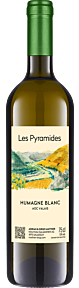
Humagne Blanc Les Pyramides
AOC Valais
75cl
CHF 26.00 -
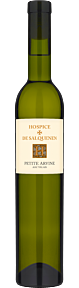
Petite Arvine Hospices de Salquenen
AOC Valais
50cl
CHF 17.00 -
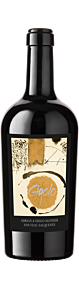
Gigolo white
AOC Valais
75cl
CHF 25.00 -

Heida Petit Gigolo
AOC Valais
75cl
CHF 25.50 -
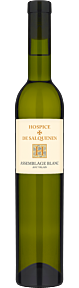
Hospices de Salquenen Assemblage blanc
AOC Valais
50cl
CHF 15.50
Wines to accompany asparagus – Valais accompaniments to the king of vegetables
Introduction to the world of asparagus
Asparagus is the spring vegetable par excellence and delights gourmets every year with its versatility. Whether classically boiled, roasted, grilled or as a sophisticated ingredient in salads – the ways of preparing asparagus are as varied as the tastes. Particularly popular is the combination with ham, potatoes or salmon, which give the dish additional richness and flavour. Choosing the right ingredients plays a decisive role in bringing out the best in the delicate aroma of asparagus.
But it is the right wine pairing that makes an asparagus dish a real moment of pleasure. Wines with fine acidity and an elegant structure harmonise perfectly with the delicate notes of asparagus. Different grape varieties bring a pleasant freshness and complexity to the table without overpowering the vegetable. Especially in spring, when the asparagus season reaches its peak, it is worth trying out different combinations to discover the full potential of this special vegetable on your plate and in your glass.
Wines to accompany asparagus from Valais – focus on regional strength
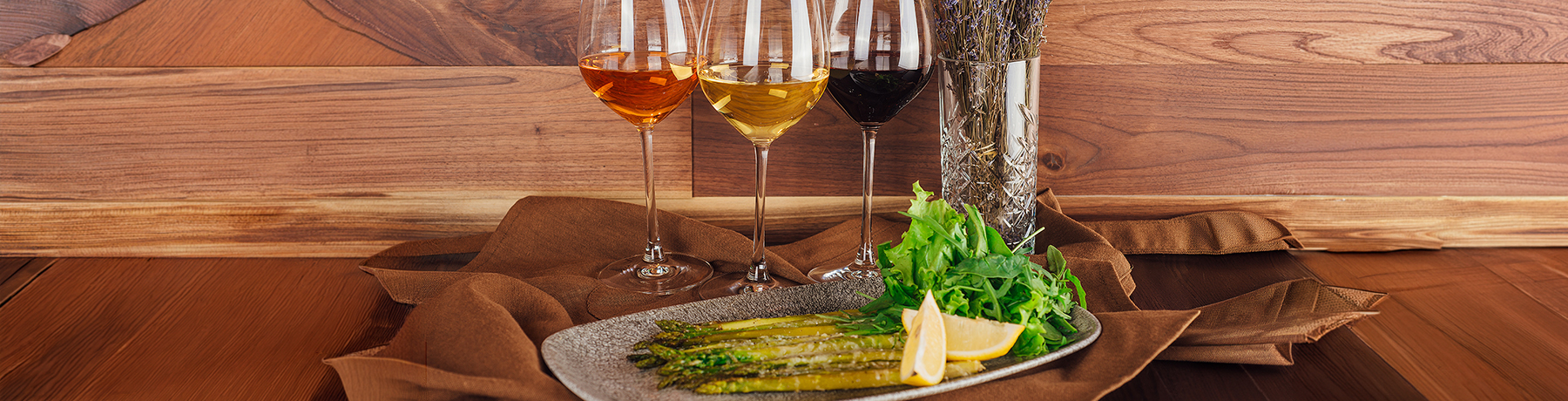
When the asparagus season begins in spring, many gourmets ask themselves the same question: Which wines go best with asparagus, and what is the ideal wine pairing? If you take a closer look at the Valais, you will discover a wide range of white wines and individual red wines that impress with their freshness, acidity, fine aromas and unique character – depending on the type of wine that goes particularly well with asparagus. Valais wines are a natural choice for asparagus, the so-called king of vegetables, because they respect both the delicate aromas and the typical bitterness and texture of the vegetable.
Switzerland, and Valais in particular, has an exceptional variety of grape varieties that are ideal for wine recommendations to accompany asparagus. There are various categories of Valais wines, such as DAC Classic or other quality and flavour profiles, which are particularly suitable for accompanying asparagus dishes. Instead of focusing on international classics, it is worth taking a look at local specialities, which are cultivated with great care and appeal directly to the palate of lovers of regional cuisine.
Asparagus season in Valais – aromas, bitter compounds and structure
Asparagus season is traditionally associated with spring: fresh vegetables, lighter dishes, more salad, vinaigrette instead of heavy sauces and cuisine that focuses on freshness. Asparagus – whether white, green or purple – has a delicate, slightly nutty character, subtle bitter notes and a delicate texture. These characteristics call for a wine pairing that is neither too opulent nor too tannic.
Asparagus has a unique combination of sweetness, green notes and bitterness, especially green asparagus. The ideal combination is white wines with clear acidity, delicate fruit aromas and moderate alcohol content. The classic version with butter, potatoes and possibly ham goes well with an elegant, not too strong Valais wine, which offers a clean structure on the palate and does not overwhelm the taste of the vegetables.
Sensory characteristics and wines to accompany asparagus – what the wine must achieve
To find a suitable wine to accompany asparagus, it is important to understand the effect of acidity, tannins and alcohol. Tartaric acid in particular plays a central role, as it can emphasise or balance the delicate aromas of asparagus. Too much acidity can intensify the bitter compounds in asparagus, while too much tannin, such as in a strong red wine, can quickly give the dish a metallic taste. Wines to accompany asparagus from the Valais should therefore have balanced acidity, low tannins and a clear but not overpowering fruitiness.
The wine's nose should reveal delicate aromas of citrus, pome fruit or white flowers, without being too aromatic or sweet. On the palate, freshness, balance and a light body that harmonises with the delicate texture of the asparagus are important. For gourmets and lovers of this royal vegetable, the right pairing makes a noticeable difference between a good and a great dish.
Wine recommendations: Valais white wines with white asparagus
White asparagus is the classic type of asparagus used in many asparagus dishes. It is often served with butter, potatoes, boiled potatoes, egg and ham and is considered a milder variety with a delicate bitterness. Valais wines based on elegant white wines are ideal for these dishes. For example, a Fendant from Valais goes particularly well with asparagus with butter and potatoes.
Fendant (Chasselas) from Valais is a traditional accompaniment when it comes to wines for asparagus. Its moderate acidity, delicate, slightly nutty aromas and slender structure make it the perfect partner for asparagus with butter and potatoes. A Valais Pinot Blanc is also an excellent choice: it combines fresh acidity, subtle fruit and a pleasant creaminess that goes well with a classic asparagus dish topped with sauce and side dishes – the same applies to Fendant, as both wines have similar characteristics.
Pinot Gris from Valais – often with a little more body – can be a good choice if the dish is a little stronger, for example with richer butter, egg or ham. Its fruity aromas of yellow fruit and its soft acidity blend harmoniously with an asparagus menu without dominating the character of the vegetable.
Wines to accompany asparagus with hollandaise sauce – creamy classics from Valais
Asparagus with hollandaise sauce is an indispensable classic for many gourmets. The combination of eggs, butter, reduced acidity of the sauce and the delicate texture of the asparagus calls for a particularly careful wine pairing. In practice, asparagus with hollandaise sauce means that the wine should have enough acidity to counteract the richness of the sauce, but at the same time have enough body so as not to be overwhelmed.
Valais Chardonnay is an obvious choice here. When not overly oaked, it offers ripe fruit, fine acidity and sufficient structure to balance the hollandaise sauce and this royal vegetable – often accompanied by a subtle hint of honey or citrus, which elegantly underscores the creamy components of the dish. An elegant, not too opulent Pinot Blanc from Valais is also an excellent choice, as its creamy texture, delicate aromas and moderate acidity keep the palate clean.
Fendant can also work well with asparagus and hollandaise sauce if the wine is more focused on freshness than richness. A delicate touch is required here: wines that are too light are lost in the hollandaise, while those that are too heavy lose the freshness that characterises a good wine pairing.
Pairing tips: Valais wines with asparagus with fish and meat
The pairing tips change as soon as fish or meat come into play. Asparagus dishes with fish – such as zander, trout or char – call for wines that, in addition to freshness, also offer a certain depth. Valais varieties such as Petite Arvine, with their salty, citrusy aromas, can make for a very exciting combination here, as they offer structure and freshness and leave a precise, mineral impression on the palate.
When meat comes into play, such as ham, veal or poultry, the emphasis shifts slightly. A particularly popular combination is asparagus with schnitzel and a suitable wine such as a Grüner Veltliner, which perfectly underscores the aromas of both components. Pinot Blanc or a denser Pinot Gris are suitable accompaniments because they fill the palate but do not offer too much tannin. A slightly chilled, very fine Pinot Noir from the Valais can also work well with roasted or grilled green asparagus and meat – provided the tannins are gentle and the wine is more fruity than sharp.
These pairing tips show that the choice of wine depends not only on the type of asparagus, but also on the side dish and sauce.
Green asparagus variety – wines to accompany asparagus with more aroma
Green asparagus has a much more intense aroma than white asparagus. It is stronger, has more bitter compounds and is often grilled, fried or used in asparagus risotto and Mediterranean dishes. Valais white wines with a little more strength and pronounced fruit aromas go well with this.
A stronger Pinot Gris or a structured Chardonnay from Valais is an excellent accompaniment to such dishes. Heida (Païen), with its tension of acidity, spice and density, is also a strong partner for intense asparagus dishes. For green asparagus, a Viognier is also recommended, whose fruity, honey-like notes and creamy texture harmonise particularly well with aromatic asparagus dishes. For purple asparagus, a Muscat with its fruity aromas and slight bitterness can be an ideal wine accompaniment. When green asparagus is served with vinaigrette, salad or vegetable side dishes, the wine should have enough acidity to support the freshness of the dish without enhancing the bitterness.
Wines to accompany asparagus in salads, vinaigrettes and light spring dishes
In spring, asparagus is not only served in the classic way with potatoes and sauce, but also often in salads with vinaigrette, herbs, vegetables and cold side dishes. Valais white wines with a light body and precise acidity are recommended for these dishes. Fendant, a fresh Pinot Blanc or a lighter variety of Chardonnay are ideal here. Falstaff also recommends elegant, acidic white wines with asparagus salad to emphasise the freshness of the dish.
The vinaigrette adds acidity and spice, which must be balanced with the wine. Wines with clear but not aggressive acidity capture the aromas of the vinaigrette and create a clean, long finish on the palate.
Red wine and asparagus – when Pinot Noir makes sense
Red wine is a sensitive topic when it comes to asparagus, especially because of the tannins. However, a very finely structured Valais Pinot Noir can work well when green asparagus is grilled and combined with meat or ham. The key is that the tannins are soft and the bitter compounds in the asparagus are not emphasised.
A slightly chilled Pinot Noir with delicate tannins, lots of fruit and moderate alcohol can be an exciting, somewhat unconventional wine accompaniment, especially for gourmets who want to try something different.
Wines with asparagus – the role of preparation and side dishes
The preparation is a decisive factor in the choice of wines to accompany asparagus. Boiled white asparagus with butter and potatoes calls for different wines than roasted green asparagus with meat or asparagus risotto with cheese.
In Austria, it is traditional to pair regional asparagus with local wines such as Grüner Veltliner. French wine regions, such as the Loire Valley or Sancerre, also offer elegant white wines that pair excellently with asparagus. The combination of asparagus with fine Bordeaux sweet wines such as Sauternes is particularly exciting and offers an extraordinary culinary experience. The elegance of certain wines, such as Châteauneuf-du-Pape, emphasises the delicate character of the dish. The interplay of wine, preparation and side dishes is crucial for a harmonious taste experience.
The more roasted aromas, cheese or meat there are in the dish, the stronger the wine can be. The more purist the dish – such as asparagus with just butter or a simple sauce – the finer and more restrained the accompanying wine should be. For gourmets and lovers of this royal vegetable, the appeal lies in playing with this balance.
Frequently asked questions (FAQ) about wines to accompany asparagus
What kind of wine goes well with asparagus?
Fresh, acidic Valais white wines with delicate fruitiness, such as Fendant, Pinot Blanc or an elegant Chardonnay, go particularly well with asparagus.
What should you drink with asparagus?
Asparagus is ideally accompanied by light to medium-bodied white wines from Valais, which have low tannins and a harmonious acidity structure.
What can you drink with asparagus?
In addition to classic white wines from Valais, finely structured rosé wines and, in special cases, a very gentle Pinot Noir are also suitable accompaniments to asparagus.
What goes well with white asparagus?
Fendant, Pinot Blanc or a restrained Pinot Gris from Valais go particularly well with white asparagus, especially when the dish is served with butter, potatoes and ham.