

-
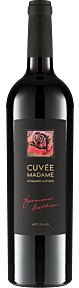
Cuvée Madame Rosmarie Mathier rouge
AOC Valais
37.5cl
• 75cl
• 150cl
• 300cl
Starting at CHF 14.80 -
Pinot Noir Lucifer
AOC Valais
37.5cl
• 75cl
• 150cl
• 300cl
Starting at CHF 9.80 -
L’Ambassadeur de Diego Mathier rouge
AOC Valais
75cl
• 150cl
• 300cl
Starting at CHF 45.00 -
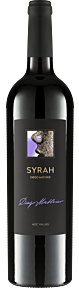
Syrah Diego Mathier
AOC Valais
75cl
• 150cl
• 300cl
Starting at CHF 34.00 -
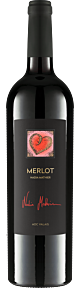
Merlot Nadia Mathier
AOC Valais
75cl
• 150cl
• 300cl
Starting at CHF 34.00
Jeroboam bottle – large format between tradition, maturity and experience
The significance of the Jeroboam bottle in modern viticulture
The Jeroboam bottle is one of the large bottles that occupy a special place in the world of viticulture. With a capacity of 3 litres, this format offers an ideal ratio of quantity to glass volume, creating an environment in which wine matures particularly calmly and harmoniously. The Jeroboam is a classic in both private cellars and among professional winemakers, used equally for festive occasions and long-term storage.
Compared to smaller wine bottles such as the standard 75cl size, which is considered the standard size for wine bottles and is characterised by its ease of handling and optimal maturation time, or the magnum (150cl), a classic large format and popular format for special occasions, the Jeroboam (3 litres) shows significantly more stable maturation behaviour. The wine matures more slowly because there is less contact with oxygen in relation to the contents. Large formats such as the Jeroboam also offer additional content and ageing potential. This advantage makes the Jeroboam bottle a format that is appreciated worldwide – for both red and white wine.
The Jeroboam bottle thus fits into the long tradition of large formats, which range from double magnums and Methuselahs to Salmanazars and Nebuchadnezzars. But while larger formats are rarely used in everyday life, the Jeroboam is a practical yet impressive size that is ideal for sophisticated enjoyment.
Historical development and naming of the Jeroboam
The naming of large bottles, which also includes the Jeroboam, has a long history. Many names come from biblical or royal names, which underlines the cultural significance of these formats. The name Jeroboam is used worldwide for 3-litre bottles, although some regions, such as Bordeaux, traditionally interpret the term differently and refer to the 3-litre bottle there as a double magnum. Other important wine regions, such as Burgundy and Champagne, have also developed their own names and traditions for large formats that differ from those in Bordeaux. In France, the appellation also plays a central role, as it guarantees the origin and quality of the wines and highlights regional characteristics. In addition to France, Italy and Piedmont are also known for their unique wine traditions, bottle sizes and appellations.
These differences in nomenclature have led to the international adoption of the spellings Jeroboam and Jéroboam, both terms describing the same bottle size. The different naming systems are one of the special features of the world of wine bottles and reflect the diversity of wine traditions.
The Jeroboam bottle has been used for special bottlings for many decades. It is considered the ideal size for wines that require a longer and more complex ageing process. This has secured its place in cellars, restaurants and collections around the globe.
Physical advantages of the Jeroboam bottle
The biggest advantage of this format is the ratio of glass volume to wine quantity. While smaller wine bottles react more quickly to temperature changes and have relatively high oxygen contact, the Jeroboam bottle protects the wine from rapid oxidation. This allows for a gentler ageing process and results in higher quality, especially for long-lasting red wines.
The thicker glass of many large bottles also has a stabilising effect. It increases the weight and thus protects the contents from external influences. In addition, the Jeroboam bottle's volume provides inertia that better cushions temperature fluctuations.
In terms of enjoyment, this means that the aromas are more finely balanced, the colour remains fresh for longer, and the wine gains an additional depth that is often not achieved in smaller formats. Due to its size and stability, the Jeroboam bottle is also particularly suitable for storage in a cellar, where it can mature under optimal conditions.
Maturation process and influence of format
Bottle size plays a central role in the maturation process. In the Jeroboam bottle, tannins, acidity and aroma components develop more slowly and evenly. Red wine in particular benefits from this slower process, as the tannins blend more finely and the wine gains structure.
White wines show remarkable stability in the Jeroboam. Citrus notes, floral accents and mineral structure are preserved for longer. This extended phase of freshness also makes the format interesting for wines that are otherwise best drunk young.
The result is a smooth, clear and more intense enjoyment, making the Jeroboam bottle one of the most sought-after formats for high-quality bottlings.
Jeroboam for enjoyment and festive occasions
Due to its size, the Jeroboam bottle offers special added value for festive occasions. Whether it's a wedding, anniversary or birthday party, a 3-litre bottle is a visual highlight and an expression of generosity. It creates atmosphere, combines style with tradition and makes every occasion special.
In practical terms, the Jeroboam offers enough content to serve several guests with wine from the same bottling. This has the advantage that everyone drinks wine from the same bottle, which has the same maturity and quality.
The Jeroboam bottle is also popular as a gift. Its weight, size and symbolic meaning make it a special present for wine lovers.
The role of the Jeroboam in the world of wine
The Jeroboam bottle is widely used in the world of wine. Many winemakers use it to bottle their highest quality products. The format is particularly suitable for wines that require longer storage. This applies to both red wines from powerful varieties and white wines with a mineral structure.
The Jeroboam also has its place among the large bottles that bear names such as Melchior, Impériale, Salmanazar and Nebuchadnezzar. Although the Jeroboam is the smallest representative of this series, it is one of the most popular formats because it offers the ideal balance of size, quality and practicality.
Thanks to its worldwide distribution, the Jeroboam bottle has become a term that is immediately understood in the wine world – regardless of the traditions of individual regions.
White wine, red wine and rosé in the Jeroboam bottle
The Jeroboam bottle is suitable for many types of wine. Red wine shows particularly strong advantages in this format, as the tannins become softer and the wine gains depth. White wine benefits from slower oxidation and retains its freshness for longer. Rosé wines, on the other hand, develop a clearer aroma thanks to more stable maturation.
For wine lovers, this means a greater variety of enjoyment options. The Jeroboam is not a format that is limited to one type of wine, but offers flexible options for different styles.
Storage and optimal conditions for the Jeroboam
To fully enjoy a Jeroboam bottle, suitable storage conditions are crucial. The bottle should be stored lying down so that the cork remains moist. A constant temperature between 10 and 14 degrees and slightly increased humidity protect the wine and allow it to mature harmoniously.
Due to its greater weight, the Jeroboam should be stored on a stable surface. A quiet environment further protects the ageing process. With proper storage, the bottle will be a reliable companion for years to come.
Serving and handling the Jeroboam
The Jeroboam bottle has special requirements when it comes to serving. It is heavier than other wine bottles and therefore requires a secure grip. Sommeliers often use a special technique in which the bottle is leaned lightly against the arm.
When decanting, it is recommended to stand the bottle upright at least one day in advance. This allows the sediment to settle and the wine to be poured clearly. A steady hand and a sufficient light source also facilitate the process.
The Jeroboam as a collector's item and gift
The Jeroboam bottle is not only a luxury item, but also a sought-after collector's item. Many wine lovers appreciate the format because it is elegant, rare and retains its value. Large bottles often retain their value for years, especially if they come from renowned regions or vintages.
As a gift, the Jeroboam bottle makes a statement. It shows appreciation, style and generosity and is an impressive present for many occasions.
Frequently asked questions (FAQ) about the Jeroboam bottle
What is a 3-litre wine bottle called?
A 3-litre wine bottle is called a Jeroboam or Jéroboam.
What is a 5-litre bottle called?
A 5-litre bottle is one of the large bottles and is referred to differently depending on the region, often as part of the series of large wine bottle formats.
What is a 9-litre bottle called?
A 9-litre bottle is called a Salmanazar.
What is a 3-litre champagne bottle called?
A 3-litre sparkling wine bottle is also traditionally called a Jeroboam.
What is a 6-litre bottle called?
A 6-litre bottle is called a Methuselah.
Why is wine served from a Jeroboam bottle?
Wine is served from a Jeroboam bottle because it matures more slowly and harmoniously in it, often resulting in higher quality. In addition, the 3-litre format is ideal for occasions with several guests.